
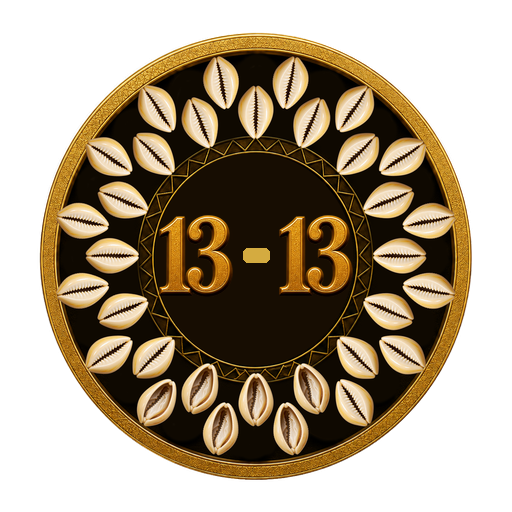
Metanla tonti Metanla
Metanla family · a sign of the diloggún
Description
It is a persistent, active, and stubborn person, but also proud, jealous, violent, and given to speaking harshly when they do not get what they want.
It is best for them to moderate their character, avoid arguments, respect their elders, attend to the dead and the Orishas, and conduct themselves prudently so they will not lack spiritual help.
Born in this sign
- In this sign melli:
- The cat's claws were born, the uproar caused, the hatred of children, the fresh water that is offered to the Orishas is born, the canoes are born, the docks, the anchors, the evil in human beings, the womb rogation with the pumpkin, the sand banks, the rock dove, the dove, the ribs, the clavicles.
Proverbs
- What moves you, paralyzes you.
Stories and patakíes
Ajinaku, the elephant, was before a small animal
Ajinaku, the elephant, was before a small animal.
He desired with all his strength to be big.
And he went to look for a babalawo by the name of ceke ceke la allo.
Ika meji appeared, and the sacrifice was: a basket full of snails(slugs), four she-goats, four mortars for pounding grains.
And it was necessary to give it to Oduduwa.
Ajinaku followed his prescriptions, and the Orisha received these objects and covered them with a large cloth and prayed for eight days.
And, on the eighth day, ajinaku became big and heavy as we see him today.
(Creation of the animals).
De ti de ji do gba u bo glo ku
De ti de ji do gba u bo glo ku.
Fa hwi we mi kpe zo!
He mi syesye ma ga! , The raphia palm puts its trust in the swamp (and thus it lived), and escapes thus from death.
Awo, he is my support!
Protect me, make it so that I live!
The Oba of the haoussa (the serki) came into the world under the sign of ika meji how could the haoussa have an Oba?
And they go to look for a babalawo, and they ask him the question: how could we find a good Oba who maintains peace?
Ika meji appeared, and prescribed the following sacrifice: sixteen horns of any animal, sixteen cages full of chickens, sixteen sheep, sixteen baskets full of pigeons, sixteen baskets full of etus, sixteen sacks full of cauris.
The haoussa did it.
Among the objects they brought to the babalawo, he returned the horns to the people.
The haoussa told the priest to take charge of the enthronement of the Oba.
The priest takes two horns and put them on the new candidate.
Suddenly elegbara appeared and blew into the two horns, which were fixed on the Oba's head.
And since then the Oba is called: usa xolu ko u zo, that is to say: the Oba of the haoussa wears horns.
The full entry is in the app
Prayer, attributes, keys, conduct and advice, health, works and ebó, and more patakíes of this sign in Signos del Caracol.